

STOP THE
SPREAD OF THE
SPOTTED
LANTERNFLY
Protect pollinators, native plants, and urban ecosystems through education and action.
Learn how to spot it - and what to do if you see one.

WHY THE SPOTTED
LANTERNFLY MATTERS
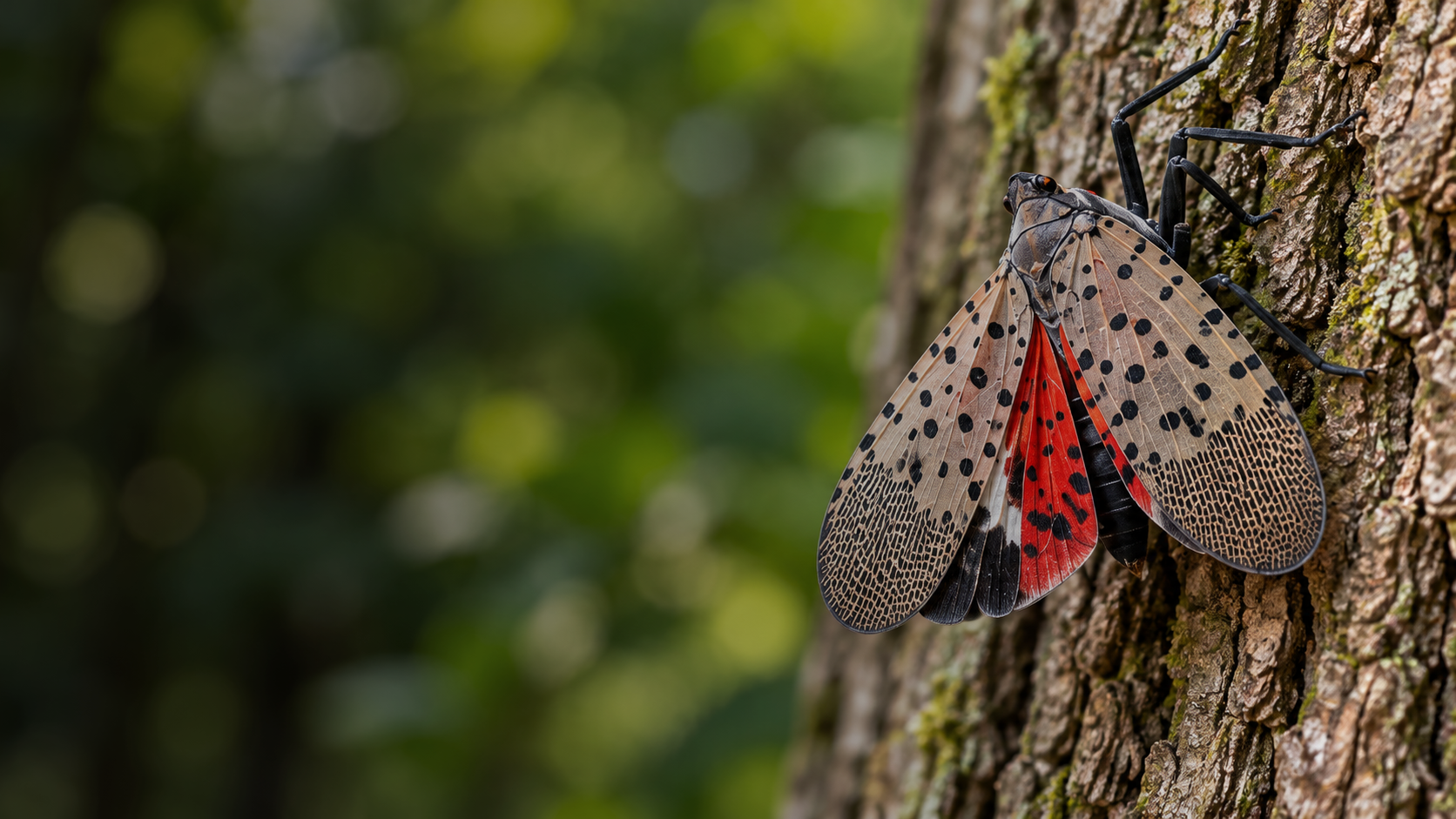
The spotted lanternfly (Lycorma delicatula) is an invasive planthopper from Asia that threatens Michigan's trees, gardens, and native ecosystems.
It feeds on the sap of over 70 plant species, including trees and vines, weakening plants, reducing habitat quality, leaving behind a sticky reside called "honeydew" that leads to mold growth, and disrupting the delicate balance that pollinators and other wildlife depend on.
By learning to identify it and taking action, we can help protect Detroit's urban forests, community gardens, and the pollinators that keep our city green.
Life Cycle
Spotted lanternflies go through four stages. They look different at each stage, so it's important to know what to watch for.
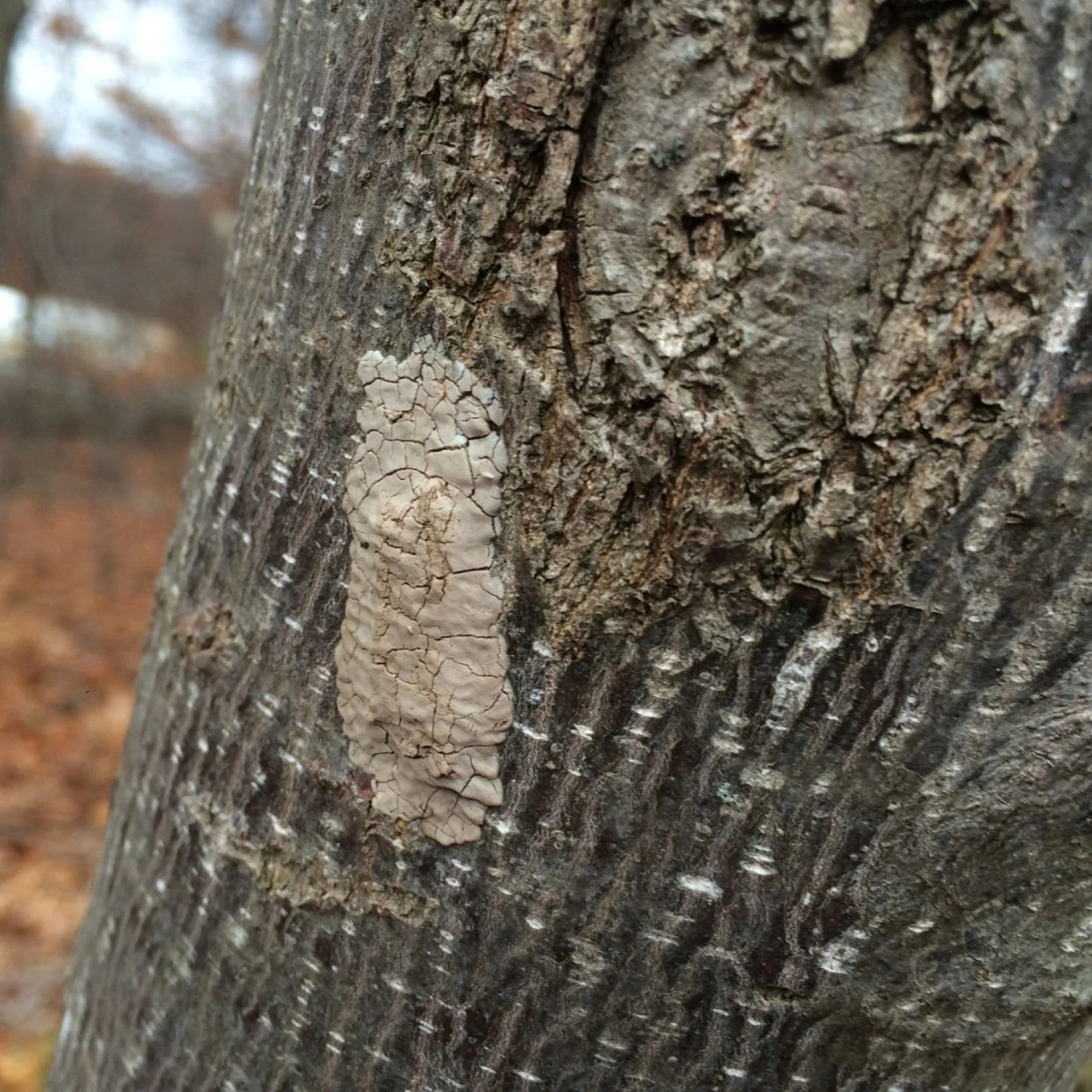
Egg Mass
Found on trees, outdoor furniture, vehicles, and other surfaces.
(Sept - June)
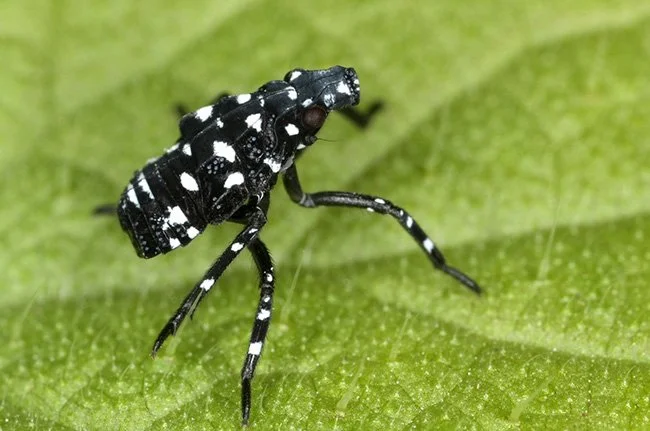
Early Nymph
Black with white spots. (April - June)
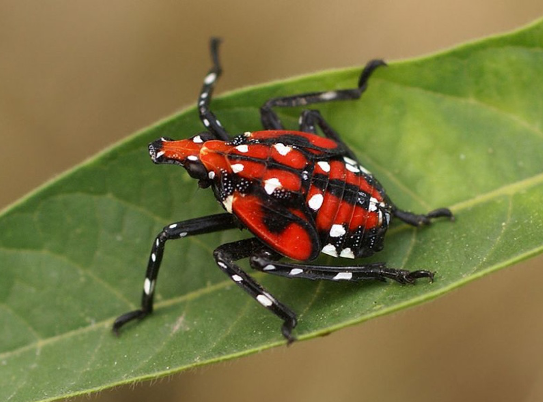
Late Nymph
Red with black and white spots. (June - August)
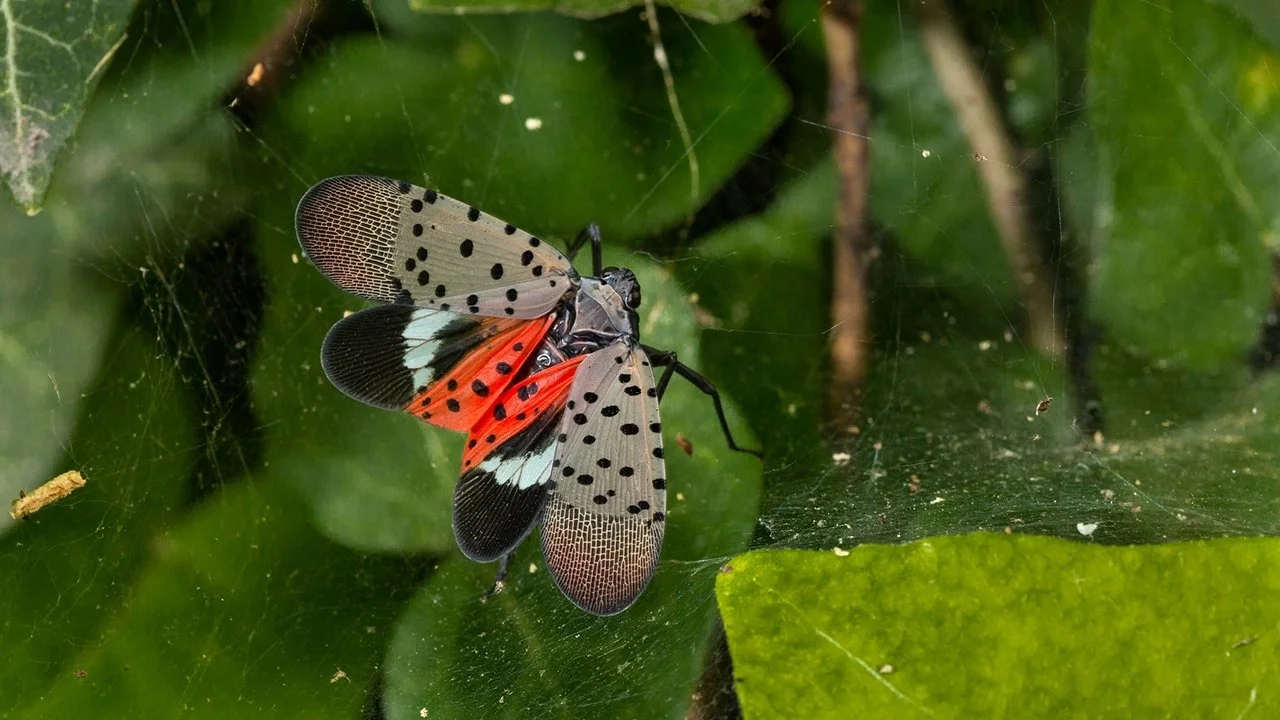
Adult
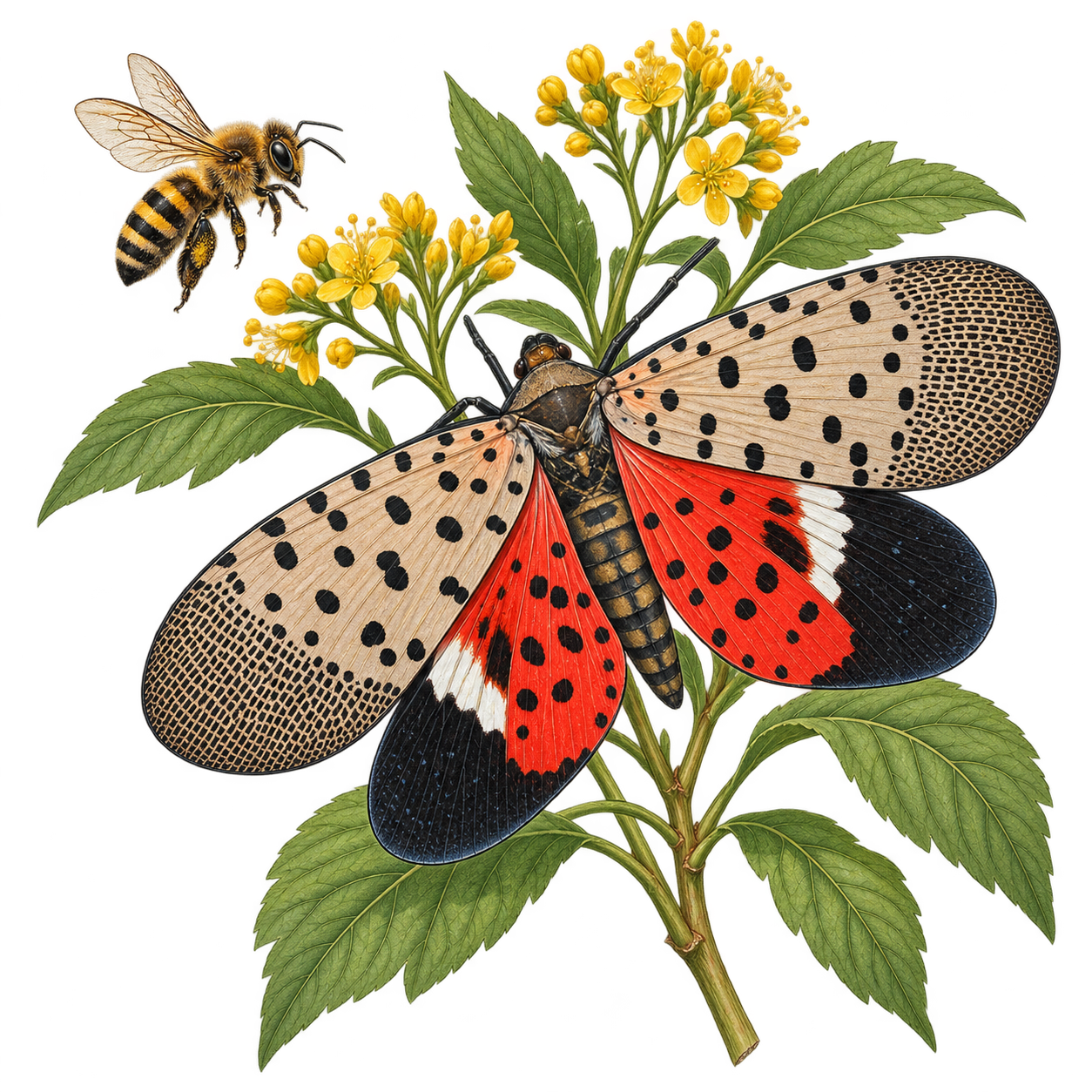
Grayish wings with black spots and bright red underwings.
(July - December)
WHY IT MATTERS
FOR BEES
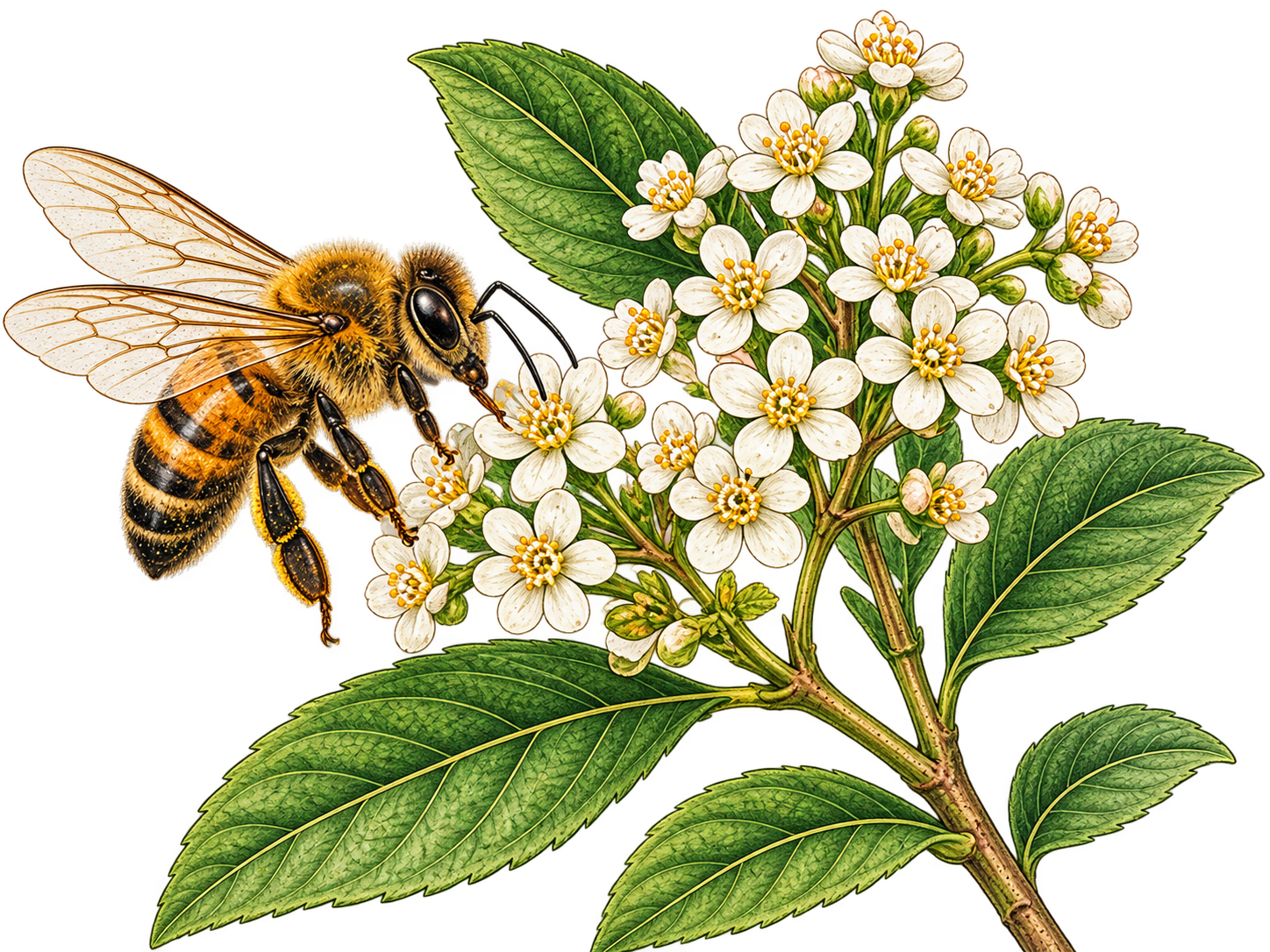
Spotted lanternflies weaken the trees and plants that provide food and habitat for bees. Their honeydew also encourages sooty mold, which can coat leaves and flowers, making it harder for plants to photosynthesize and produce nectar.

TURNING AN INVASIVE SPECIES AGAINST ITSELF
SPOTTED LANTERNFLY HONEYDEW HONEY
Spotted lanternflies are threatening Michigan’s trees, gardens, and ecosystems. But these invasive insects have an unexpected byproduct: honeydew, a sugary substance that honeybees can collect to produce a rich, dark, uniquely flavored honey.
We're turning that unexpected harvest into an opportunity to fight back. Every jar helps us raise awareness about spotted lanternflies, teach our community how to identify and eliminate them, and inspire action to stop their spread.
An unusual honey. A sweeter way to fight back.

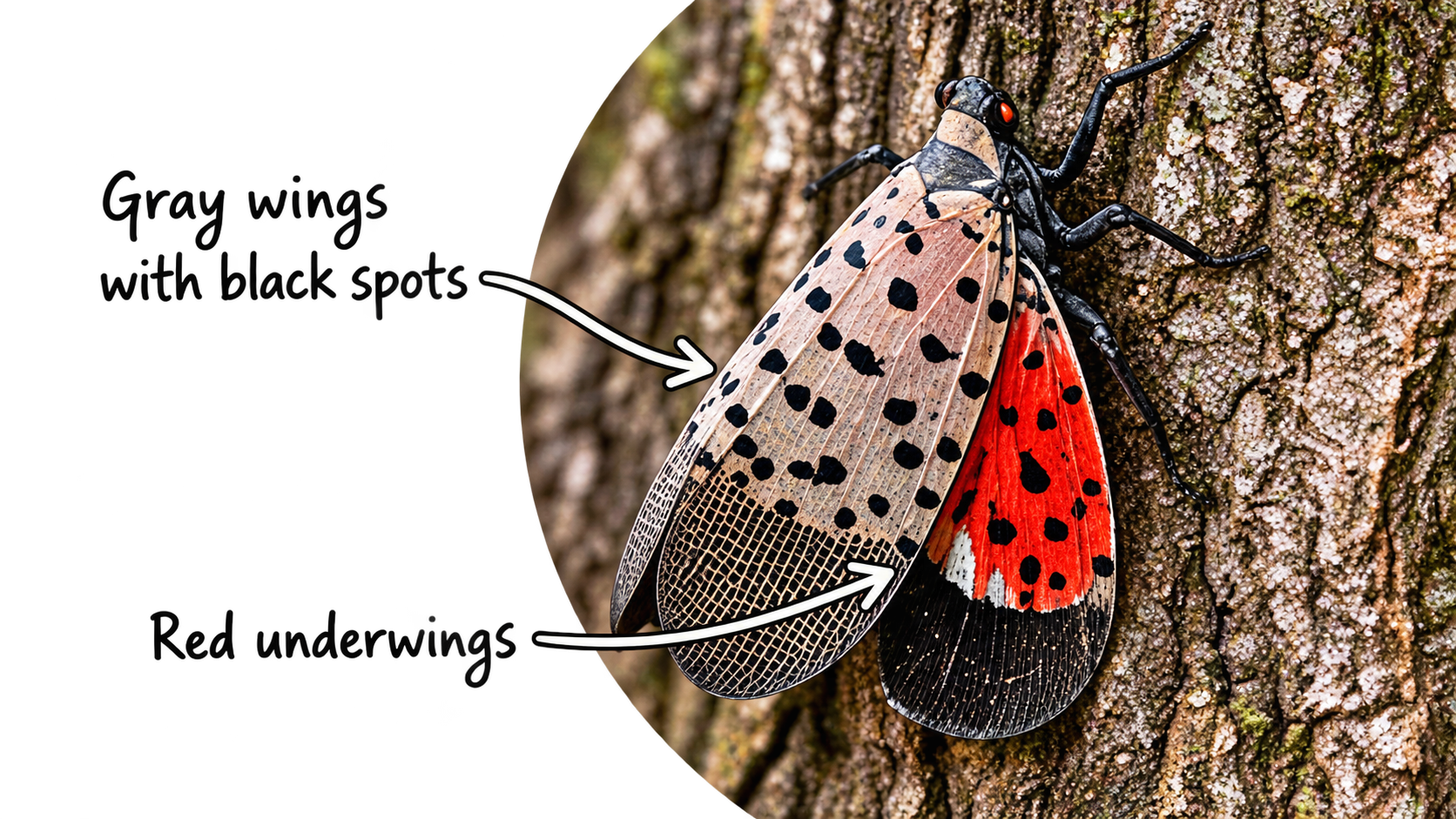
HOW TO SPOT IT
Keep an eye out for spotted lanternflies and their egg masses on trees, outdoor surfaces, and even vehicles. If you see one, take a photo and report it.

Everyone can help slow the spread of spotted lanternfly and protect our trees, gardens, and pollinators.
WHAT YOU CAN DO
Look for It
Check trees, outdoor fumiture, vehicles, and other surfaces.
Report It
If you see a spotted lanternfly or egg mass, report it to Michigan's Invasive Species Program.
Stop the Spread
Remove egg masses (scrape and destroy), and clean your gear, vehicles, and outdoor items before moving them.